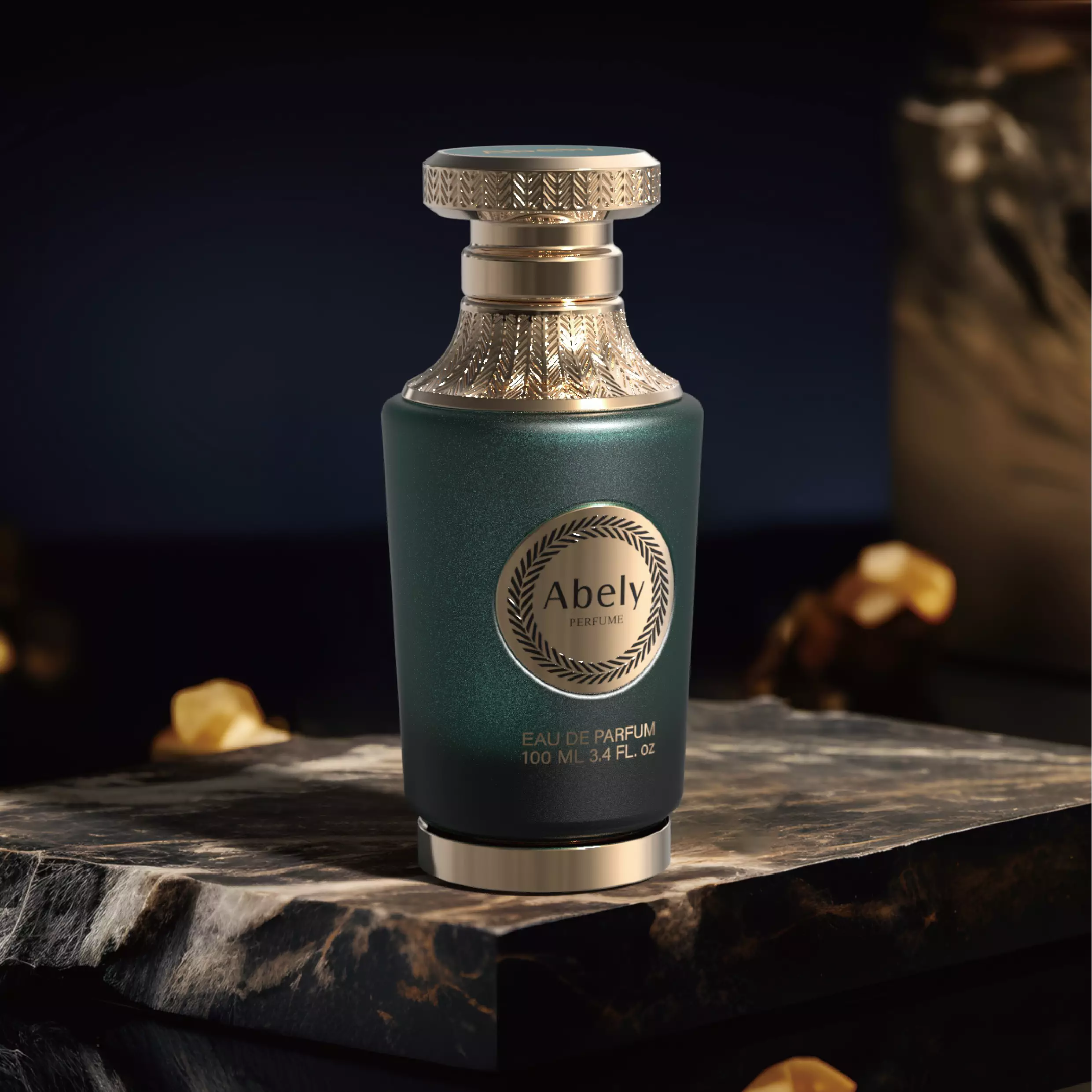
Choosing fragrance packaging involves more than deciding between an ornate or simple appearance. For perfume brands, the bottle must support the intended positioning while remaining practical for production, decoration, and retail presentation. Among 100 ml perfume bottles, material, surface treatment, cap construction, and logo placement can all influence how a finished product is perceived.
Match the Bottle Style to the Brand Position
Luxury-oriented perfume packaging may feature rich colors, metallic details, distinctive cap designs, and carefully selected surface treatments. Minimalist packaging, by contrast, often relies on clean proportions, restrained colors, and precise finishing. For brands developing 100ml perfume bottles, the choice should reflect the fragrance concept, target customers, and intended market positioning.
A minimalist direction does not necessarily mean removing every decorative element. Instead, designers can focus on clean proportions, restrained colors, and limited branding. When evaluating 100 ml perfume bottles, businesses should consider whether the bottle’s shape and finish communicate the fragrance concept without competing with the label or outer packaging.
When choosing between luxury and minimalist packaging, brands should consider the fragrance’s price positioning, target customers, retail environment, and overall brand language. Luxury designs may require more complex decoration and component coordination, while minimalist packaging often depends on precise proportions, restrained finishes, and consistent detailing.
Consider Surface Finishes and Component Details
Frosted perfume bottles offer another approach to visual differentiation. Frosted or glossy finishes can be selected according to the desired presentation, while color and gradient options provide additional flexibility. Frosting also changes the tactile character of the glass, which can be useful when a brand wants packaging to feel more distinctive without relying entirely on metallic decoration.
Cap design and logo treatment also contribute to the overall packaging style. Depending on the selected bottle model, brands may consider Zamac or plastic caps, together with suitable logo options such as hot stamping, silk-screen printing, or metal plates. These details can be coordinated with the bottle color and surface finish to create a consistent appearance across different 100ml perfume bottle designs.
Balance Design With Production Requirements
Packaging decisions also need to account for manufacturing requirements. The referenced model supports customized surface decoration and different cap options, allowing brands to evaluate how the bottle’s finish and components fit their intended positioning. Physical samples should be reviewed before larger production to confirm the appearance, proportions, and decoration quality. Such details matter when brands compare 100 ml perfume bottles for a commercial launch rather than evaluating appearance alone.
Frosted perfume bottles, colored finishes, logo treatments, and cap textures can all contribute to a distinctive presentation, but the final combination should remain consistent with the product’s positioning and production plan.
A Practical Choice for Different Fragrance Concepts
The right bottle style depends on the relationship between fragrance identity, target market, and packaging budget. Luxury designs may benefit from layered colors and metallic details, while more restrained concepts can use controlled decoration and clean visual elements. The ABD2302L-100 model illustrates how a single 100ml bottle concept can be adapted through color, surface treatment, cap materials, and logo details to suit different fragrance positioning strategies.
For brands seeking these options, Abely Perfume supports customization of bottle colors, frosted or glossy finishes, cap textures, metallic details, and logo plates, giving fragrance brands several options for aligning the packaging with their desired market positioning.
