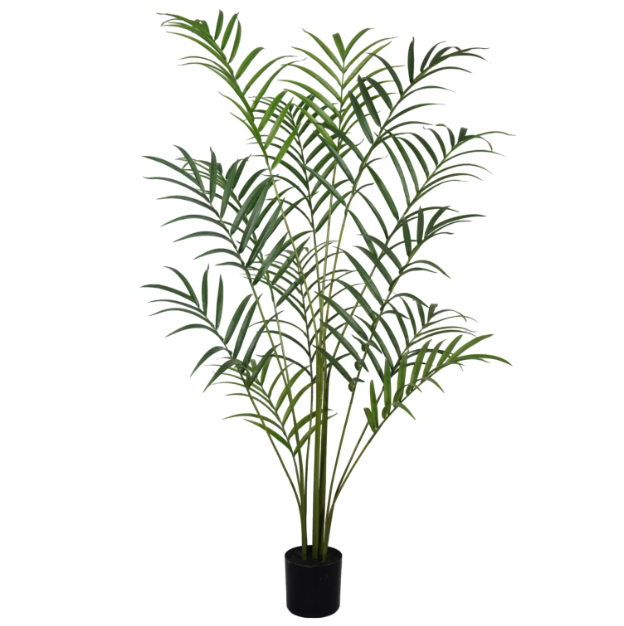
Palm trees can help resorts, hotels, shopping centers, and commercial properties establish a tropical atmosphere without relying entirely on live landscaping. However, choosing artificial palms for exterior environments requires more than selecting an attractive silhouette. Buyers must consider sunlight exposure, wind conditions, moisture, installation stability, visual consistency, and long-term maintenance.
For developers, landscape contractors, and hospitality procurement teams, working with an experienced artificial outdoor palm tree manufacturer can help align product design with project requirements. A well-planned specification also reduces the risk of premature fading, unstable installations, and costly replacements across large commercial sites.
Match Palm Tree Design to the Landscape Concept
Artificial palms should complement the architecture and intended guest experience. A beachfront resort may benefit from tall palms with broad, arching fronds, while a contemporary hotel entrance may require a more restrained design that frames doors without obstructing circulation.
Scale is particularly important. Buyers should evaluate tree height, canopy width, trunk proportions, and spacing together. Oversized palms can overwhelm compact courtyards, whereas undersized specimens may disappear visually across expansive pool decks or landscaped promenades.
Placement also affects the overall effect. Grouping palms at entrances creates a strong visual landmark, while distributing them along pathways establishes continuity. Before approving quantities, project teams should review site plans, pedestrian routes, sightlines, and planter dimensions.
Specify Materials for Sunlight and Weather Exposure
Outdoor performance is a critical purchasing consideration. Prolonged ultraviolet (UV) exposure can cause foliage to fade or become brittle, while rain, humidity, and temperature changes may affect materials and connections. An artificial outdoor palm tree manufacturer should therefore be able to explain how its products are designed for the intended environment.
Buyers should ask whether UV protection is incorporated into the material formulation and request relevant test reports. They should also confirm whether testing covers the finished product or only selected materials. Laboratory exposure results provide useful comparisons, but they do not guarantee a specific outdoor lifespan under every climate.
Material selection should extend beyond the leaves. Trunks, internal supports, connecting components, and planters must suit the installation conditions. For exposed locations, specifications should address moisture management, corrosion risks where metal components are used, and the effects of wind on the tree’s overall structure.
Prioritize Stability and Safe Installation
Tall palms with broad crowns can catch wind, making stability essential in open courtyards, poolside areas, and rooftop terraces. Buyers should evaluate the tree’s weight, base dimensions, anchoring options, and installation surface before finalizing the design.
A lightweight nursery pot may work well as an inner container but may not provide sufficient support outdoors. Project teams can consider heavier decorative planters, concealed ballast, or engineered anchoring systems, depending on site conditions. Qualified professionals should assess exposed installations where wind loads or public safety are concerns.
Clear access routes also matter. Trees must not obstruct emergency exits, accessible pathways, maintenance access, or visibility around entrances. These practical checks help integrate decorative greenery into the landscape without compromising daily operations.
Balance Visual Quality with Procurement Requirements
For multi-property hotel groups and large resorts, consistency across repeated installations is often as important as individual product appearance. Buyers should approve samples, document dimensions and color expectations, and confirm packaging requirements before authorizing bulk production.
Sharetrade’s 210cm Artificial Bamboo Palm Tree, model PC273-210C, provides one reference point for evaluating tropical greenery. Its stated specifications include a height of 210 cm, premium artificial palm fronds, lifelike clustered stems, and a stable black nursery pot. The product is described for interior settings, including resort lounges and commercial displays. It should not be assumed suitable for permanent outdoor exposure without confirmation of UV resistance and other relevant performance specifications.
For projects requiring exterior installation, buyers should request an appropriate outdoor-rated alternative. A qualified artificial outdoor palm tree manufacturer should clarify customization options, material performance, inspection procedures, and any limitations before production begins.
Evaluate Supply Capacity and Quality Assurance
Commercial procurement involves more than product design. Lead times, storage capacity, export packaging, order flexibility, and batch consistency all influence project delivery. Buyers should establish inspection criteria early and request photo records or test documentation where required.
Sharetrade supports OEM and ODM projects covering design, manufacturing, processing, and exportation. Its stated business capabilities include more than 200 new designs annually, in-house warehousing, flexible customization, and factory-direct pricing. These services can help retailers, distributors, and hospitality buyers coordinate product development with their purchasing schedules.
Before placing a large order, procurement teams should confirm production timelines, minimum order quantities, shipping arrangements, and the documentation available for each product. They should also verify that certifications and performance claims apply to the specific items being purchased.
Make Palm Tree Specifications Work for Every Project
Successful commercial landscaping depends on balancing visual impact, environmental suitability, installation stability, and dependable supply. By defining these requirements before ordering, buyers can select artificial palms that support the intended design while reducing avoidable maintenance and replacement costs.
Sharetrade is a manufacturer of artificial plants and trees offering OEM and ODM solutions for retailers, wholesalers, and commercial projects. Contact Sharetrade to discuss product customization, request samples, and identify artificial palm tree options that match your resort or commercial landscape requirements.
