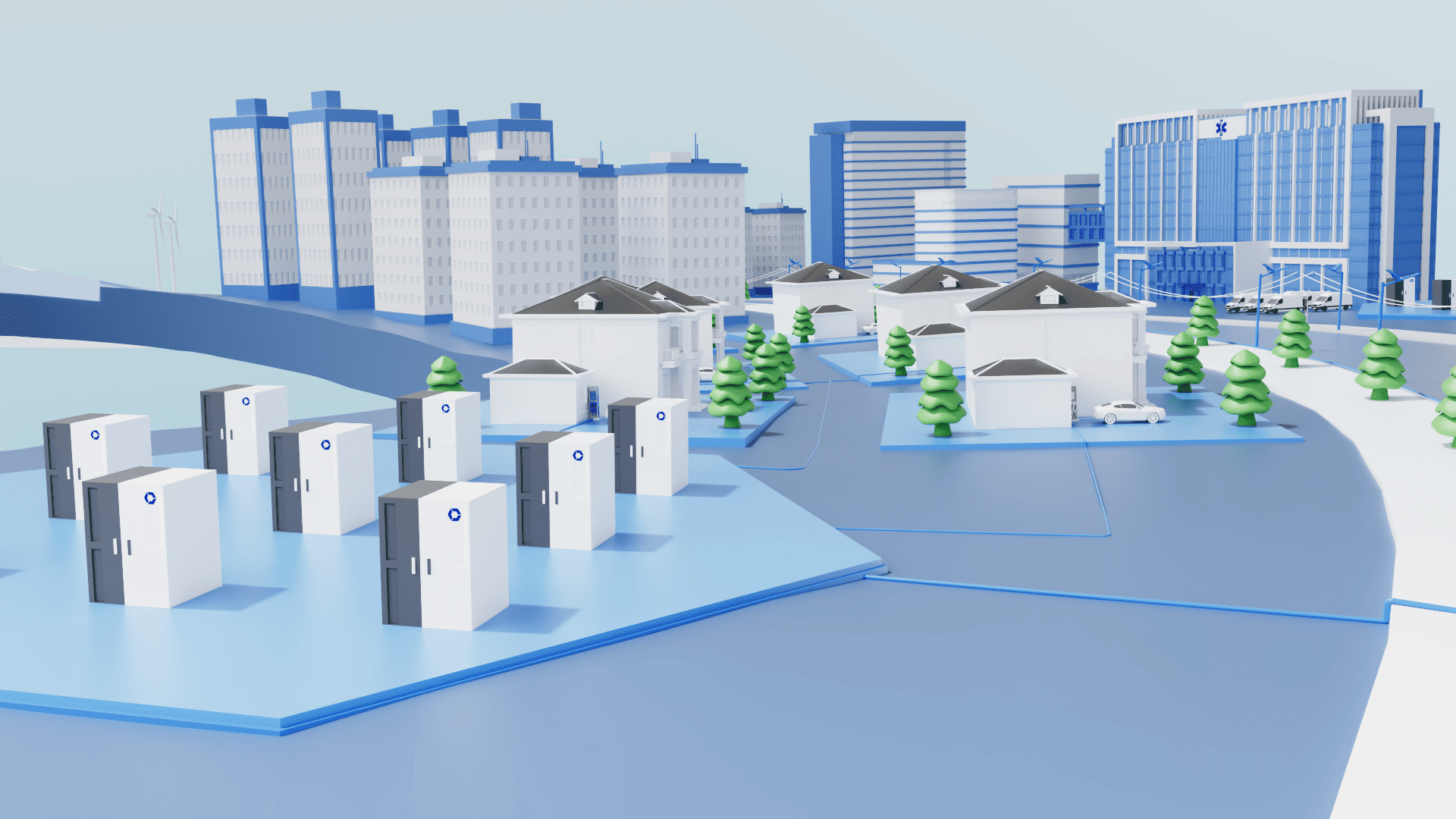
Time-of-Use (TOU) pricing structures are increasingly adopted by utilities to reflect fluctuations in electricity demand throughout the day. Under these schemes, electricity prices vary significantly between peak and off-peak periods, creating both challenges and opportunities for energy users. In this context, residential energy storage systems have become an effective tool for optimizing electricity consumption. For stakeholders involved in energy solutions and system deployment, understanding how a battery energy storage system for home applications supports cost reduction is essential for delivering practical and scalable solutions.
Leveraging TOU Pricing Through Energy Shifting
A key advantage of residential energy storage systems in TOU regions is their ability to perform energy shifting. By storing electricity during off-peak hours—when prices are lower—and discharging it during peak periods, a battery energy storage system for home use can significantly reduce overall electricity costs.
This capability is particularly effective when combined with rooftop solar generation. During the day, excess solar energy can be stored instead of being exported to the grid at lower compensation rates. The stored energy is then used during high-tariff evening periods, maximizing the economic value of self-generated electricity.
Residential energy storage systems also provide flexibility in managing household load profiles. By smoothing consumption patterns and reducing reliance on high-cost grid electricity, these systems help users better align energy usage with pricing structures. For solution providers, this creates opportunities to design systems tailored to regional tariff policies and consumption behaviors.
In addition, the ability to respond dynamically to TOU pricing enhances the predictability of energy expenses, which is increasingly important in regions with volatile electricity markets.
Enhancing Reliability and System Efficiency
Beyond cost savings, residential energy storage systems contribute to improved energy reliability. In areas with unstable grid conditions or frequent outages, a battery energy storage system for home use can provide backup power, ensuring continuity for essential loads. This added resilience enhances the overall value proposition of storage systems.
System performance and efficiency are critical factors in achieving consistent benefits. Advanced solutions incorporate intelligent energy management systems that optimize charging and discharging cycles based on real-time conditions. This ensures that stored energy is used at the most economically advantageous times.
HiTHIUM develops integrated residential energy storage systems designed to meet these requirements. Its solutions are engineered to be safe, efficient, and scalable, adapting to different regional usage patterns. By enabling users to store solar energy during the day and utilize it during peak demand periods, these systems help reduce electricity costs while improving energy independence.
Furthermore, scalable configurations allow systems to be expanded as energy needs evolve, ensuring long-term applicability and cost-effectiveness.
Driving Smarter Energy Consumption in TOU Environments
The adoption of residential energy storage systems in TOU regions reflects a broader shift toward more intelligent energy management. By enabling energy shifting, improving reliability, and enhancing the utilization of renewable resources, a battery energy storage system for home use provides a practical pathway to reducing electricity expenses. For organizations developing and deploying energy solutions, these systems represent a key component in delivering efficient, adaptable, and economically sustainable energy strategies.
