Developing a clear framework for travel expenses is a fundamental responsibility for HR departments managing a mobile workforce. They must balance the need for strict cost control with the necessity of providing support to employees on the move. When companies establish straightforward guidelines, they reduce confusion and ensure that the process of managing employee expense reimbursement remains predictable for everyone involved. A well-constructed policy provides the necessary structure to define allowable costs, set appropriate spending limits, and outline the documentation required for every trip.
BIPO acts as a global payroll and people solutions provider that assists organizations in streamlining their operations through innovative, cloud-based technology. Their platform, BIPO HRMS, offers specialized modules that simplify complex HR workflows, including automated claims management and expense tracking. HR professionals who require a more efficient method to handle global workforce administration can request a demo to observe how these tools improve operational accuracy. By integrating these systems, teams can foster greater efficiency while ensuring that global payroll processes remain compliant and transparent across multiple markets.
Defining Reimbursable Categories and Spending Limits
Professional organizations often categorize travel costs into distinct areas such as transportation, lodging, meals, and incidentals. They should explicitly state which items are reimbursable to avoid ambiguity. For example, by setting nightly hotel rate caps based on regional market rates, they can effectively manage budgets without placing undue burdens on staff. Clear guidance on transportation choices—such as restricting flight classes or ride-sharing usage—further helps in maintaining the integrity of the employee expense reimbursement process.
Establishing Robust Submission and Approval Workflows
An efficient approval workflow prevents bottlenecks and ensures that financial oversight is maintained consistently. They must document the specific steps an employee should follow to submit reports, including the mandatory documentation like itemized receipts. By utilizing digital systems such as BIPO HR solutions that support paperless submissions, they enable employees to manage their claims conveniently. This structure also helps finance and HR departments maintain accurate records, which is essential for audit compliance and maintaining trust within the organization.
Incorporating Flexibility for Global Operations
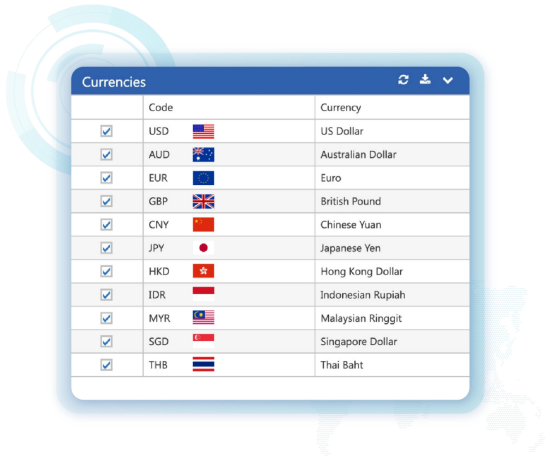
Because global teams often face diverse economic environments, they should build flexibility into their policy design. Rigid structures can sometimes fail when applied across different countries with varying costs of living. Instead, they can provide tiered per diem allowances that reflect local realities while still adhering to overall company goals. This balanced approach ensures that employee expense reimbursement remains fair, encourages adherence to company rules, and supports the productivity of team members regardless of where they operate globally.
A thoughtfully designed policy serves as a vital tool for any HR department. By focusing on clarity, standardized workflows, and reasonable flexibility, they can successfully manage travel costs while maintaining a positive experience for their workforce.
