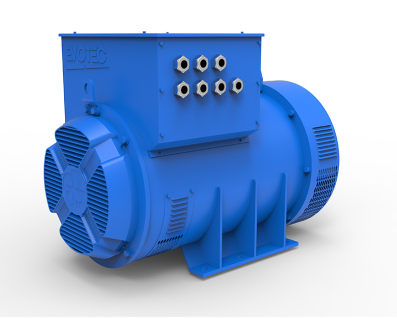
Modern maritime vessels rely heavily on dependable auxiliary power systems to operate essential shipboard equipment. A complete marine generator consists of a mechanical engine and an electrical alternator working together. While the engine provides rotational force, the alternator handles the crucial conversion into electrical energy. Specifying the right alternator component for these auxiliary units helps support the stable operation of lighting, navigation, and control systems. Understanding the engineering behind a dedicated marine alternating current unit assists procurement teams in making informed sourcing decisions.
The Alternator’s Role in Auxiliary Power
Constructing an effective auxiliary power system requires recognizing the distinct functions of its internal machinery. A marine generator is not a single, monolithic unit but rather a combined mechanical and electrical system. The alternator component is responsible for producing the alternating current needed by the vessel’s internal electrical grid, while the separate engine provides the physical driving force.
Engineering, procurement, and construction (EPC) contractors may source these critical components carefully to support operational goals. Selecting equipment from a manufacturer focused solely on alternating current hardware can provide specific advantages. Companies specializing strictly in this component dedicate their production lines entirely to electrical conversion technology, rather than dividing their attention across complex engine assembly.
This focused manufacturing approach contributes to a wide product range, including low voltage and high voltage options, designed to meet varying shipboard demands. By providing the specific electrical component for these auxiliary systems, rather than assembling the entire mechanical power unit, the manufacturer can prioritize targeted structural refinements. This careful specialization supports the overall reliability of the maritime electrical architecture, which may help vessel operators manage their critical power generation needs during extended ocean voyages.
Managing Installation Spaces with Compact Design
Vessel engine rooms and auxiliary machinery spaces offer notoriously limited room for large equipment integration. When assembling a complete auxiliary power unit, the physical footprint of the massive electrical and mechanical components heavily influences the shipyard’s construction process. Heavy-duty power generation hardware must fit within these restricted parameters without complicating the mechanical alignment of the engine and the electrical converter.
Addressing these spatial constraints may involve selecting hardware that features a compact structure design. A streamlined physical profile directly reduces the required installation space inside the vessel’s hull. This spatial efficiency can lower the overall installation costs associated with complex maritime assembly, supporting a more organized shipbuilding process.
Furthermore, deploying a compact marine alternator provides shipyard assembly teams and facility technicians with the necessary spatial clearance to conduct routine structural checks. Having adequate room around the auxiliary power system may facilitate smoother mechanical integration. This strategic approach to equipment sizing helps shipbuilders optimize their engine room layouts, contributing to an environment that supports the long-term operation of the vessel’s critical electrical infrastructure.
Premium Materials for Maritime Applications
Operating continuously on the open ocean subjects industrial power equipment to constant, dynamic operational stress. The internal electrical components of an auxiliary power plant must withstand heavy, daily use to keep onboard communication, navigation, and pumping systems functioning. To handle these demanding maritime conditions, careful material selection during the manufacturing phase is a primary consideration for dedicated industrial component suppliers.
Professional manufacturers prioritize the strict use of premium raw materials throughout their structural assembly processes. Relying on high-grade manufacturing inputs helps support reliable performance when the electrical hardware faces continuous, demanding operation. This commitment to material quality remains a fundamental factor in maintaining the core electrical architecture of the maritime vessel.
Utilizing premium materials contributes to a long service life for the alternating current hardware, reducing the frequency of extensive component replacements. By specifying a well-constructed marine generator component, EPC contractors and procurement teams better position the vessel’s auxiliary systems to manage the physical realities of offshore environments. This deliberate sourcing strategy may help operators maintain consistent power output across various heavy-duty marine deployments.
Advancing Hardware Through Independent R&D
Building reliable auxiliary systems involves partnering with manufacturing brands that prioritize continuous product development. Entities that maintain independent R&D capabilities can focus their engineering bandwidth strictly on refining the electrical conversion process. This dedicated approach to industrial design may yield measurable advancements in how the hardware functions within a larger power generation set.
The company’s accumulated national industrial design patents fully demonstrate its deep commitment to the research and development of marine generators and its long-term focus on engineering and structural innovation.These patented designs contribute to a versatile product range specifically tailored for heavy-duty power generation applications. Access to this level of specialized technical development provides global generator builders with clear, reliable options when planning complex auxiliary layouts.
Alongside structural innovation, logistical predictability plays a role in helping project managers complete vessel construction on schedule. Partnering with a supplier that maintains stable production capacity and offers fast delivery helps support timely, organized shipyard installations. Additionally, deploying hardware backed by a standard 24-month warranty coverage provides industrial builders with valuable post-installation support, contributing to the successful long-term operation of the maritime power plant.
Building Resilient Offshore Architectures
Prioritizing specialized electrical hardware helps operators build resilient, highly functional auxiliary systems for the demanding maritime industry. By focusing on compact structural layouts, premium raw materials, and independent R&D, procurement teams can support the electrical stability of the entire vessel. Sourcing these critical components from a dedicated alternator manufacturer like EvoTec Power may provide the reliable marine alternator needed to contribute to successful, long-term offshore power generation.
