Industrial packaging lines face relentless pressure to maintain precise net weight standards while maximizing operational speed. Facility managers frequently evaluate whether traditional manual sample weighing can satisfy modern retail compliance demands.
Comparing manual practices against automated inline checkweighers reveals profound differences in efficiency, accuracy, and labor costs. Selecting the correct weighing methodology directly dictates overall plant profitability and regulatory standing.
Manual weight checking relies heavily on operators pulling sample items from the active conveyor at set intervals. Workers place individual packages onto benchtop scales, record measurements manually, and return approved items.
This interrupted workflow creates severe bottlenecks when manufacturing lines operate at high speeds. Sampling only a fraction of total production leaves massive blind spots where defective packages escape undetected.
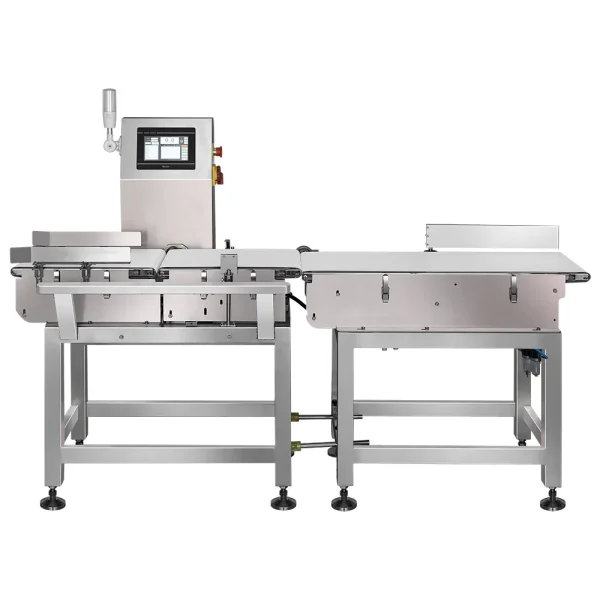
Automated inline systems eliminate sampling gaps by screening every single package passing through the production zone. Conveyor-mounted platforms measure product mass dynamically without pausing the continuous flow of goods.
High-speed sorting mechanisms divert out-of-tolerance items instantly using pneumatic air jets. This continuous screening capability ensures that all manufactured goods comply with legal fill requirements.
Evaluating Throughput Limits in High-Speed Packaging
Human operators are inherently susceptible to fatigue, distraction, and transcription errors during repetitive quality control tasks. Recording weights on paper logs introduces mistakes that obscure real-time packaging trends and machine drift.
Furthermore, operator stance, placement consistency, and scale calibration issues compromise manual data reliability. These inherent human limitations jeopardize overall product consistency across long processing shifts and high-speed runs.
Automated platforms eliminate subjective measurement variances through precision load cell technology and advanced signal processing. Modern industrial units maintain exceptional weighing accuracy despite harsh factory vibrations and temperature fluctuations.
Easyweigh engineers design dynamic load cell architectures that stabilize readings instantly under heavy workloads. This unblinking mechanical precision ensures consistent measurement standards across multi-shift operations.
Precision, Human Fatigue, and Error Vulnerabilities
Regulatory compliance requires comprehensive documentation proving that every packaged item satisfies official net weight legislation. Manual record-keeping is notoriously vulnerable to missing logs, delayed entries, and incomplete audit trails.
Quality assurance teams struggle to reconstruct historical line performance when relying on scattered paper documentation. Bridging these compliance gaps requires robust electronic data collection frameworks.
Automated inspection systems generate centralized digital logs that record exact weights, timestamps, and rejection codes automatically. Plant managers can access real-time statistical data to monitor filling machine performance and detect drift early.
Advanced software platforms developed by Easyweigh integrate seamlessly into broader plant management networks for complete traceability. This digital transparency satisfies strict international auditing standards effortlessly.
Data Integration and Regulatory Traceability Standards
Initial capital investment in automated machinery often causes facility managers to hesitate when planning plant upgrades. However, manual weighing requires dedicated labor resources that increase operational overhead over extended operating periods.
Diverting skilled workers from supervisory roles into repetitive scale monitoring creates severe labor inefficiencies. Optimizing workforce allocation remains essential for maximizing manufacturing output and minimizing labor waste.
Implementing reliable checkweighers allows facilities to reallocate valuable personnel to higher-value supervisory and maintenance tasks. Automated systems also prevent costly product giveaway by tightening target fill parameters and eliminating overfilling waste.
Precision weighing technology ensures that raw material utilization is optimized across every production batch. Over time, the reduction in product giveaway yields a rapid return on investment.
Market competition demands that industrial packaging facilities eliminate operational inefficiencies wherever they exist within the plant. Automated solutions developed by Easyweigh provide the high-speed reliability necessary to maintain strict quality standards continuously.
Transitioning away from outdated manual testing secures long-term operational success across global markets. Deploying advanced weighing infrastructure protects brand reputation and maximizes bottom-line profitability.
Operational Flexibility and Financial Risk Mitigation
Operational flexibility remains a critical advantage when adapting to frequent product changeovers on modern packaging lines. Manual scales require tedious recalibration and manual formula entry for every distinct SKU transition.
Automated systems store hundreds of product recipes in digital memory for instant recall at the touch of a button. This rapid changeover capability minimizes costly downtime between production runs.
Quality assurance supervisors must evaluate long-term error costs alongside initial equipment purchase pricing. Manual errors often result in severe retail fines or costly product recalls due to underfilled packages.
Automated platforms eliminate these financial risks by maintaining uncompromising precision across millions of operating cycles. Investing in modern checkweighers transforms reactive quality control into a proactive financial safeguard.
Production floors that embrace automated weighing technology consistently outperform competitors in efficiency metrics and regulatory compliance audits. Upgrading legacy packaging lines establishes a robust foundation for sustainable manufacturing growth and customer satisfaction.
Selecting superior inspection hardware empowers facility managers to navigate stringent industry demands with absolute confidence. Total quality assurance ultimately relies on replacing manual guesswork with unyielding digital accuracy.
Facility engineering teams must also consider environmental factors when selecting between manual scales and automated inline inspection units. Harsh factory washdown routines, ambient temperature swings, and heavy conveyor vibrations challenge sensitive weighing electronics daily.
Robust industrial platforms feature sealed stainless steel enclosures designed to withstand aggressive sanitation protocols without losing calibration. This rugged structural durability ensures uninterrupted performance under demanding food processing conditions.
Ultimately, the transition from manual weight spot-checking to fully automated inspection represents a crucial evolutionary step for modern manufacturing facilities worldwide.
Plants that delay modernization face mounting labor shortages, escalating product giveaway costs, and increasingly strict regulatory penalties. Embracing advanced automated screening secures operational resilience, protects brand equity, and optimizes resource utilization across competitive global markets.
