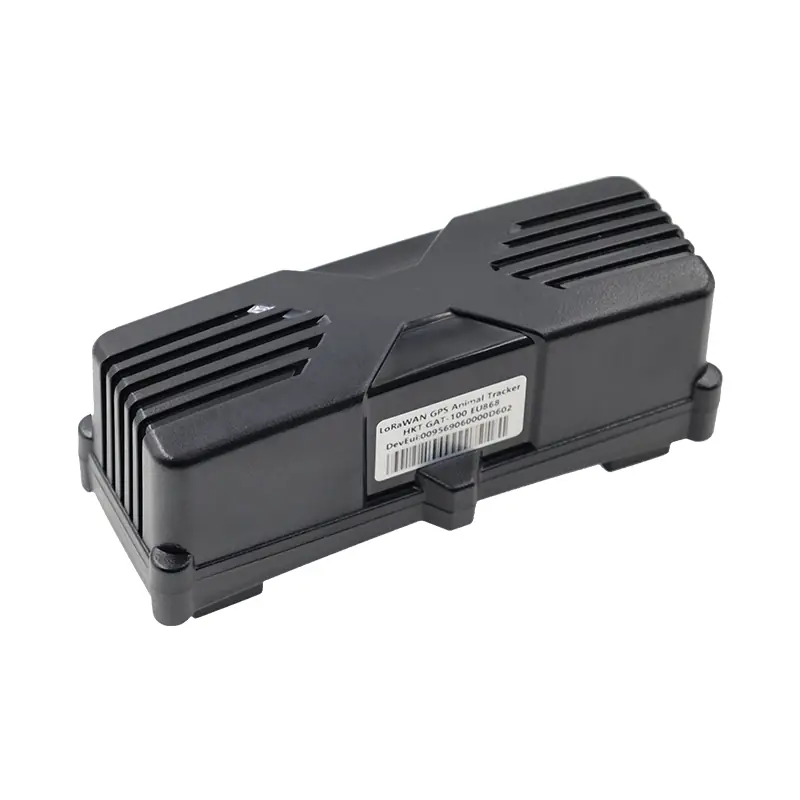
Large ranch operations require monitoring methods that can provide reliable livestock information across extensive grazing areas. Manual tracking can become challenging when animals move across different locations or when ranch managers need to handle large herds. HKT LORA develops LoRaWAN-based livestock monitoring solutions that combine GPS positioning, wireless communication, and remote management functions to support more organized agricultural operations.
The HKT-GAT-100 LoRaWAN GPS Cattle Tracker is designed for cattle and sheep tracking applications. The device collects GPS location information and uploads data through LoRaWAN gateways according to user-defined schedules. Its compact structure, cable-free design, and wireless configuration capability allow businesses to establish flexible livestock monitoring systems based on their actual ranch conditions.
Evaluating Ranch Requirements Before System Installation
The first stage of deploying a livestock tracking system is understanding the operational environment. Every ranch has different requirements depending on herd size, grazing conditions, network availability, and management objectives.
A lorawan animal tracker deployment should begin with identifying the areas that require monitoring and determining how tracking devices will support daily management activities. Ranch operators need to consider livestock movement patterns, grazing locations, and existing infrastructure before selecting an appropriate system structure.
HKT LORA provides livestock tracking solutions that can be adapted for different agricultural scenarios. The HKT-GAT-100 is designed for remote livestock management applications, helping businesses collect location information and improve visibility into animal distribution.
Preparing LoRaWAN Network Infrastructure for Coverage
After defining project requirements, the next step is preparing the communication environment. LoRaWAN-based systems rely on gateways and network servers to receive and manage information transmitted by tracking devices.
For large ranches, network planning is an important part of deployment. The position of LoRaWAN gateways should be considered according to the ranch landscape, livestock movement areas, and communication requirements.
The HKT-GAT-100 sends GPS location data to LoRaWAN gateways based on configured transmission schedules. The device can be connected through LoRaWAN infrastructure, allowing ranch operators to build remote monitoring systems without depending entirely on direct manual observation.
Installing Tracking Devices on Livestock
Once the network environment is prepared, businesses can begin installing tracking devices on animals. Installation efficiency is important because large herds require practical deployment methods.
The HKT-GAT-100 uses a collar-based design with a compact and cable-free structure. This allows the device to be attached to livestock without complicated installation procedures. The design supports applications involving cattle and sheep management.
A suitable installation process helps ranch operators organize device deployment more efficiently. Businesses can establish tracking systems gradually based on herd numbers and operational priorities.
Configuring Device Parameters Through Network Management
After installation, tracking devices need to be connected and configured according to management requirements. Wireless configuration reduces the need for repeated physical access to every device.
The HKT-GAT-100 collar can be programmed wirelessly through the network server. Users can modify location and data transmission plans remotely, allowing the tracking system to adapt to different monitoring requirements.
A flexible configuration process helps businesses manage devices after deployment. Ranch operators can adjust monitoring settings according to seasonal changes, livestock management plans, or different operational conditions.
Collecting Livestock Location and Activity Information
After the system becomes operational, tracking devices begin collecting livestock-related information. Location data provides ranch managers with a clearer understanding of animal distribution and movement.
A lorawan animal tracker supports digital livestock management by collecting GPS information and transmitting it through wireless communication networks. The collected data can assist businesses in monitoring herd locations, reviewing movement trends, and improving daily management efficiency.
The HKT-GAT-100 also supports functions including livestock behaviour data collection, herd counting assistance, geofencing capabilities, and remote warning applications. These functions provide additional references for ranch operators managing animals across large areas.
Managing Alerts and Remote Monitoring Operations
A livestock tracking system is not only used for location visualization but also for improving operational response. Remote monitoring functions allow businesses to identify situations that require attention.
Through geofencing and warning functions, ranch operators can establish management rules based on their operational requirements. When animals move beyond expected areas, the system can provide relevant notifications through connected platforms.
This approach helps businesses reduce the difficulty of monitoring livestock manually across wide grazing areas. Instead of checking every location physically, managers can use digital information to support daily decisions.
Expanding Deployment From Small Herds to Large Ranch Systems
Scalability is an important consideration when businesses introduce IoT solutions into agricultural environments. A tracking system should support future expansion without requiring complete redesign.
The HKT-GAT-100 system is designed for both small and large herd applications. Its LoRaWAN communication method allows businesses to build livestock monitoring solutions according to their specific ranch size and management requirements.
Large ranch operators can gradually expand deployment by adding more tracking devices and improving network coverage. This flexible approach allows companies to balance investment planning with operational development.
Maintaining Long-Term Operation After Deployment
Deployment is not complete upon installation; ongoing operation necessitates regular oversight of device status, network performance, and management workflows.
Featuring an integrated lithium‑ion battery, the HKT‑GAT‑100 is engineered for long‑term livestock‑tracking use. According to product specifications, the device is capable of delivering over one year of continuous operation without battery replacement when operating under appropriate conditions.
Long-term monitoring capability helps reduce maintenance requirements for ranch businesses. By combining efficient hardware design with LoRaWAN communication, the system supports stable livestock tracking in remote environments.
Building Efficient Ranch Management Systems With HKT LORA
Successful livestock tracking deployment requires cooperation between hardware, communication networks, and management platforms, and structured implementation processes help businesses achieve more reliable monitoring results. HKT LORA provides IoT solutions for smart agriculture applications; through the HKT‑GAT‑100 LoRaWAN GPS Cattle Tracker, the company supports businesses in creating connected livestock management systems based on GPS positioning, LoRaWAN communication, and remote monitoring functions. Modern ranch management depends on accurate information and efficient operational processes, and a well‑planned tracking system can help businesses improve livestock visibility while reducing the challenges of managing animals across large areas. HKT LORA continues to develop LoRaWAN solutions that support agricultural digitalization, and with the HKT‑GAT‑100, businesses can establish a structured livestock tracking workflow, from initial planning and device installation to remote monitoring and long‑term system management.
