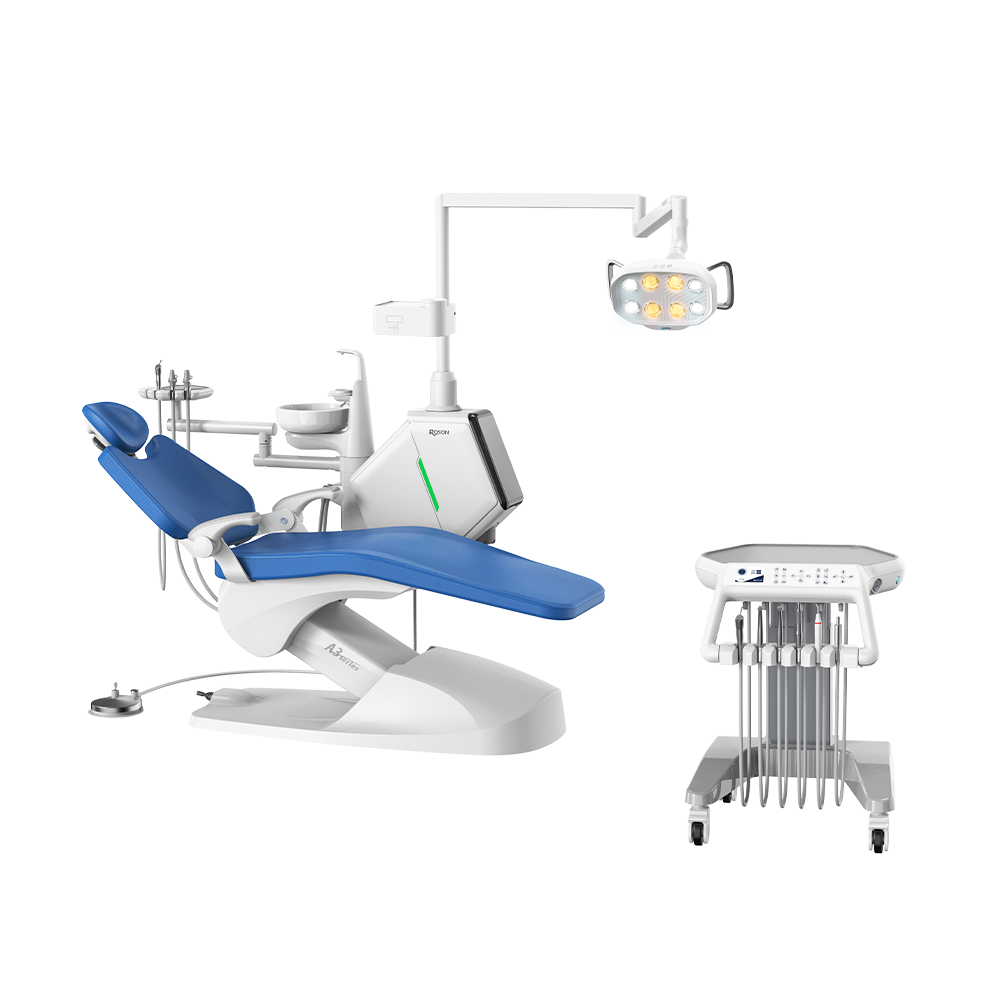
A dental treatment environment depends on more than individual instruments. The quality of the supporting equipment directly influences workflow efficiency, patient comfort, maintenance requirements, and daily clinical performance. For clinics and distributors, understanding the internal structure of professional equipment helps them make more informed purchasing decisions.
Modern dental units combine mechanical, electrical, and functional systems into one integrated platform. Each component has a specific role, from supporting patient positioning to improving dentist accessibility during procedures. Evaluating these elements allows buyers to identify equipment that can meet long-term clinical needs.
The Foundation Components Behind Reliable Dental Units
The patient chair structure is one of the most important parts of any dental system. A stable frame, smooth adjustment mechanism, and ergonomic design contribute to better treatment experiences. The chair must provide reliable positioning while allowing dental professionals to maintain suitable working angles.
The movement system is another key consideration. Adjustable height, backrest positioning, and coordinated movements help dentists create efficient treatment workflows. When these functions operate smoothly, professionals can reduce unnecessary adjustments and focus more on patient care.
A quality dental system also depends on its internal engineering. Electrical controls, mechanical connections, and supporting components need to work together consistently. Manufacturers with strict production processes can help ensure that each part performs correctly after installation.
Roson develops dental equipment solutions designed around practical clinical requirements, with attention to functional integration and user experience. The company focuses on creating systems where different components operate together to support modern dental practices.
Exploring the Main Functions Of A Dental Chair And Unit
The delivery system is a central component that connects dentists with essential treatment tools. A well-designed arrangement allows handpieces, syringes, and other instruments to remain organized and easily accessible during procedures.
For dental professionals, workspace organization directly affects efficiency. Poorly arranged instruments may increase movement and interrupt treatment flow. A carefully designed dental chair and unit helps create a more comfortable working environment by placing important functions within convenient reach.
The control interface is also an important factor. Modern equipment often uses electronic controls that allow operators to adjust chair positions and manage different functions more efficiently. Easy-to-use controls reduce operational complexity and support smoother daily routines.
Water and air systems represent another critical area. Dental procedures require stable air supply and reliable water delivery. The quality of internal pathways, connections, and maintenance design can influence equipment reliability over time.
Hygiene Considerations In Dental Equipment Design
Infection prevention is a major priority for dental clinics. Equipment design must support effective cleaning procedures and routine maintenance. Components that are easy to access and maintain can help reduce operational challenges.
Water management systems are particularly important because dental equipment requires regular attention to cleanliness. Proper maintenance practices and suitable system designs help clinics maintain a safer treatment environment.
Surface materials also influence daily usability. Dental equipment is exposed to frequent cleaning and repeated use, so durable materials and practical designs are important considerations when selecting professional equipment.
When evaluating dental units, buyers should consider not only appearance but also how the equipment supports hygiene practices, maintenance procedures, and long-term operation. These factors often determine the actual value of an investment.
How Manufacturers Support Long-Term Equipment Performance?
For distributors and clinic owners, choosing a dental equipment supplier involves more than selecting a product model. Manufacturing consistency, technical support, and product reliability are all important elements in the purchasing decision.
A professional manufacturer should understand the needs of different clinical environments and provide equipment solutions that balance functionality and practicality. Roson approaches equipment development by considering dentist workflow, patient experience, and operational requirements.
The A3 flagship model demonstrates an integrated approach to dental equipment design, combining multiple functional systems within a complete treatment solution. The product page highlights features such as an organized working structure and integrated functions designed for professional dental applications.
Reliable equipment also requires attention to future maintenance. Buyers should consider component accessibility, service requirements, and supplier communication before making a long-term investment.
Selecting The Right Dental Chair And Unit For A Clinic
Different dental practices may have different requirements depending on treatment types, workspace layouts, and operational goals. Before purchasing equipment, buyers should evaluate factors such as available space, expected workload, and workflow preferences.
A suitable dental chair and unit should provide a balance between comfort, efficiency, and durability. Features should support the dentist’s working habits while creating a positive patient experience.
Procurement teams should also review the overall quality approach of manufacturers. Production management, component inspection, and consistent assembly processes can influence the reliability of the final equipment.
Roson provides dental solutions that reflect the importance of integrated design and practical application. By focusing on functional performance and user requirements, the company supports professional dental environments seeking dependable equipment options.
Understanding Components Helps Make Better Equipment Decisions
A high-quality dental system is built from multiple carefully designed components working together. The chair structure, control systems, delivery mechanisms, water and air pathways, and hygiene-related features all contribute to overall performance.
For clinics and distributors, understanding these elements provides valuable guidance when comparing equipment options. Instead of focusing only on appearance, buyers can evaluate how each component supports efficiency, comfort, and long-term reliability.
Choosing well-designed dental units requires attention to both technical details and practical clinical needs. With a clear understanding of essential components, dental professionals can select solutions that better support modern treatment environments and future growth.
